

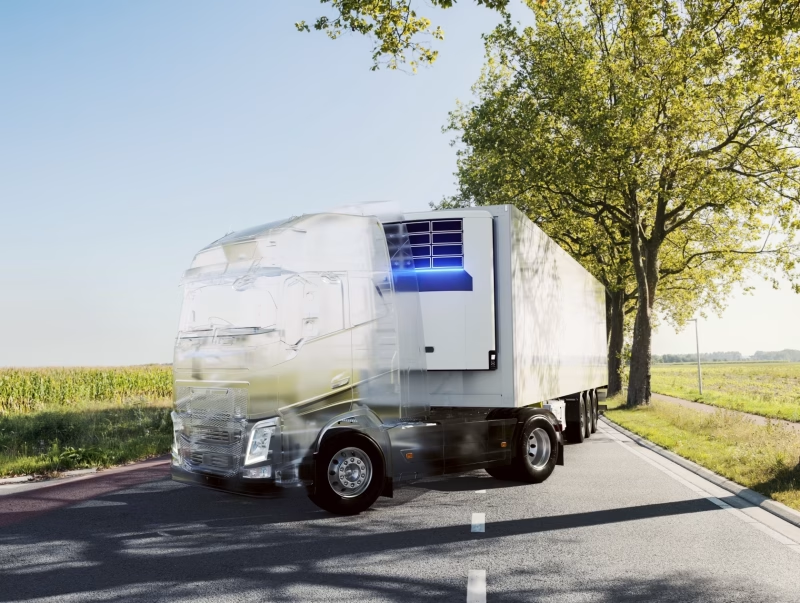
For refrigerated transport operators, every kilometer costs money. Fuel, tyres, maintenance, driver wages, refrigeration energy and depreciation continue whether the truck carries a paying load or returns empty. That makes the empty return problem more than a logistics inconvenience. For reefer fleets, it can directly affect revenue per vehicle kilometer, asset utilization and total cost of ownership.
The challenge is even greater when transporting temperature-sensitive cargo. Operators cannot simply accept any available backhaul. The return load must meet temperature, hygiene, product compatibility and delivery requirements without compromising cargo integrity or refrigeration performance.
Why Empty Returns Hurt Reefer Fleet Economics
A refrigerated truck can travel hundreds of kilometers after completing a delivery with little or no revenue-generating cargo. The vehicle still consumes fuel, the refrigeration system may remain operational and the asset remains unavailable for another paying load.
At distribution centres (DCs), delays can further increase operating costs through additional fuel consumption, vehicle wear and tear, continued temperature management, potential risks to product integrity and reduced truck utilisation for subsequent deliveries.
The objective, therefore, is not simply to eliminate every empty kilometer. It is to make more of those kilometers commercially productive without creating new risks for temperature-sensitive cargo.
Build Backhauls into the Original Route
Effective backhaul planning should begin before the outbound journey starts. Operators can identify compatible return cargo from food distributors, retailers, agricultural producers, pharmaceutical suppliers and other temperature-controlled customers.
However, a backhaul only creates value when its temperature range, loading requirements, hygiene standards, delivery window and route fit the original operation. A poorly planned return load can create delays, additional handling or temperature risks that undermine its commercial benefit.

Peter Meroi, Area Sales Manager, South, West and East Africa – Thermo King EMEA, says the strongest opportunity comes from combining a stronger backhaul strategy with multi-temperature capability, smarter route planning and connected fleet intelligence.
“When operators can secure return loads, consolidate different temperature-sensitive products on the same vehicle and plan routes around real operating conditions rather than distance alone, they can increase utilization without compromising cargo protection,” he explains.
Make Every Reefer Trip More Flexible
Multi-temperature capability can help fleets combine compatible products requiring different temperature ranges within one vehicle. This can increase load flexibility and reduce the number of journeys required to move separate consignments.
But the technology needs disciplined operation. Compartments must remain properly segregated, temperature settings must be managed correctly and loading procedures must prevent unnecessary exposure or contamination. The commercial objective is to carry more compatible revenue-generating cargo while maintaining the temperature conditions each product requires.
Use Digital Intelligence to Reduce Waste
Route planning becomes more powerful when operators combine transport schedules with real operating data. Traffic, customer demand, available backhauls, dwell time and vehicle location can all influence whether a journey remains productive.
Connected fleet technology can add another layer of visibility. Meroi notes that connectivity can give fleets insight into routes, dwell time, idling, door openings, refrigeration performance and maintenance requirements.
That visibility can help operators reduce unnecessary refrigeration unit runtime, improve driver behavior, protect uptime and identify potential temperature excursions before they result in costly cargo claims or product losses.
“Connected fleet solutions can provide visibility across millions of kilometers, helping operators turn real-time fleet data into smarter operational decisions,” Meroi says.
For fleet managers, the value of such data is not simply knowing where a truck is. It is understanding how efficiently the vehicle, driver and refrigeration system are performing throughout the journey.
Efficiency Must Also Reduce Operating Costs
Improving utilization does not mean adding more kilometers indiscriminately. Fuel and energy costs can quickly erode the value of additional trips if refrigeration equipment operates inefficiently.
Meroi highlights the importance of practical technologies that can deliver measurable value as fleets face higher fuel and energy costs, regulatory pressure and different levels of readiness for new technologies.
He points to technologies such as Advancer’s ECOmode, which she says can reduce trailer refrigeration fuel use by up to 50% while maintaining cargo protection, as well as AxlePower, which in some operations can power refrigeration units for extended periods without requiring grid recharging.
These technologies illustrate a broader principle: improving reefer economics requires attention to both revenue-generating kilometers and the cost of operating each kilometer.
Measure Revenue Per Vehicle Kilometer
Fleets should monitor more than utilization percentages. Useful measures include revenue per vehicle kilometer, loaded versus empty kilometers, fuel consumption, refrigeration operating costs, payload utilization, waiting time, maintenance costs and cargo claims.
This allows operators to identify where empty running is unavoidable and where better planning could create additional revenue. The same data can also help fleets decide whether multi-temperature equipment, connected systems, route optimization or more efficient refrigeration technology can deliver a justifiable return on investment.
Turn Empty Kilometers into Productive Assets
There will always be journeys where returning empty is unavoidable. The commercial opportunity lies in reducing the avoidable ones. For refrigerated fleets, stronger backhaul planning, multi-temperature capability, intelligent route optimization and connected fleet management can work together to improve utilization while protecting cargo. More efficient refrigeration technology can then reduce the energy cost associated with every productive kilometer.
As Meroi puts it, fleets facing rising costs and operational pressure need practical, scalable solutions that deliver value for money now. The question for reefer operators is therefore not simply how far a truck travels. It is how much value that truck creates on every kilometer while keeping the cargo protected.
Read More:
Why Fleet Profitability Starts Where Rubber Meets the Road
Why Battery Technology Matters for Modern Vehicles in Africa
Is Lubricant Standardization Helping or Hurting Truck Operators?
Tyre Retreading: Can Africa Build a Circular Tyre Economy?

