

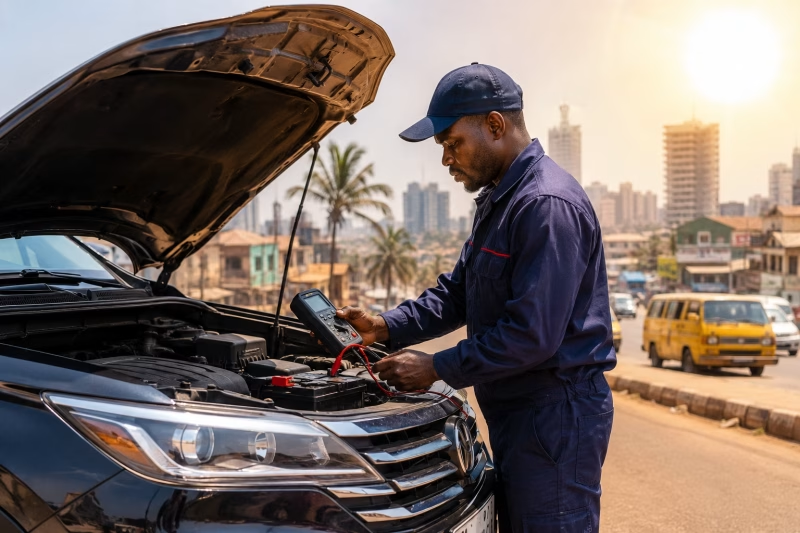
Extreme heat remains one of the most overlooked threats to vehicle performance, particularly battery reliability. Battery care in extreme heat is essential for drivers across African cities such as Nairobi, Lagos, and Khartoum, who increasingly face unexpected battery failures triggered by prolonged exposure to high temperatures and inadequate maintenance practices. Proper battery care in extreme heat can make the difference between a dependable car and costly road trouble.
Unlike cold weather, which weakens battery output temporarily, excessive heat quietly causes long-term internal damage. Elevated temperatures accelerate chemical activity inside the battery, leading to rapid fluid evaporation, internal corrosion, and faster deterioration of critical components. Consequently, many motorists begin experiencing slow engine starts, dim headlights, electrical inconsistencies, and, ultimately, sudden breakdowns often without any clear warning signs. As a result, understanding battery care in extreme heat is crucial for all drivers.
Why African Heat Damages Batteries Faster
Vehicle batteries work through chemical reactions that generate and store electrical energy. However, when temperatures rise above normal operating conditions, those reactions speed up aggressively. Although this may temporarily improve electrical output, it significantly reduces long-term battery durability, especially when battery care in extreme heat is neglected.
In many African regions, under-bonnet temperatures can exceed 50°C during peak daytime operations. This intense heat causes battery fluid to evaporate faster, weakens internal components, and increases the risk of plate corrosion. Furthermore, constant exposure to heat places additional strain on charging systems, alternators, and electrical circuits.
Ironically, many drivers assume a dead battery results from old age alone. In reality, heat is often the silent cause behind repeated battery failures. Therefore, battery care in extreme heat should be a top priority for African motorists.
Warning Signs Drivers Should Never Ignore
Fortunately, batteries usually show warning signs before complete failure occurs. Recognizing these symptoms early can save drivers from expensive roadside emergencies.
Some of the most common signs include:
- Slow engine cranking during ignition
- Dim headlights or weak dashboard lights
- Swollen battery casing caused by overheating
- Corrosion around battery terminals
- Frequent jump-start requirements
- Electrical malfunctions in modern vehicle systems
Moreover, commercial fleet operators should pay close attention to vehicles operating in high-temperature environments or heavy stop-and-go traffic, where batteries experience constant stress.
How to Test a Vehicle Battery Properly
Routine battery testing remains one of the most effective ways to prevent breakdowns. Today, many workshops across Africa use digital battery analyzers to measure voltage, charging performance, and battery health within minutes.
A healthy fully charged battery normally reads around 12.6 volts when the engine is off. Anything significantly lower may indicate weak charging capacity or internal damage.
In addition, technicians often perform load testing to determine whether the battery can maintain voltage under operating pressure. This process is especially important for trucks, buses, construction equipment, and modern vehicles with advanced electronics.
For vehicle owners handling basic inspections themselves, visual checks also matter. Drivers should inspect battery terminals regularly for corrosion, loose connections, or fluid leakage.
According to Bosch Automotive Aftermarket, regular battery inspections and charging-system checks can significantly improve battery lifespan and reduce unexpected failures in hot operating environments.
Practical Ways to Extend Battery Life
Fortunately, several simple maintenance habits can dramatically improve battery performance in extreme African climates.
-
Keep the Battery Clean
Dust, grease, and corrosion reduce conductivity and strain electrical flow. Cleaning battery terminals regularly helps maintain efficient power transfer and prevents voltage loss.
-
Secure the Battery Properly
African roads can be rough, especially in off-road, mining, and rural transport environments. Excessive vibration damages internal battery plates over time. Ensuring the battery is firmly mounted reduces vibration-related failure.
-
Avoid Short Trips
Frequent short-distance driving prevents the alternator from fully recharging the battery. Over time, this weakens battery capacity. Longer drives allow the charging system to restore proper voltage levels.
-
Reduce Unnecessary Electrical Load
Air conditioning, infotainment systems, extra lighting, and charging devices place additional strain on batteries. Drivers should avoid leaving electronics running when the engine is off.
-
Test Before Extreme Weather Seasons
Preventive testing before long-distance travel, hot seasons, or heavy commercial operations helps identify weak batteries early before failure disrupts operations.
The Importance of Battery Maintenance in African Mobility
As Africa’s transport sector modernizes, vehicles are becoming more electronically advanced. Today’s trucks, buses, and passenger vehicles rely heavily on sensors, onboard computers, GPS systems, refrigeration units, and digital safety technologies. Consequently, battery performance is also becoming more important than ever.
At the same time, rising fuel costs, logistics demands, and fleet efficiency targets are pushing operators to prioritize preventive maintenance instead of reactive repairs.
Ultimately, battery care is not a minor maintenance routine. It is a critical investment in reliability, operational uptime, and cost control. Additionally, battery water levels in serviceable batteries should be checked regularly, especially during peak heat seasons. Using distilled water helps maintain proper chemical balance. Professional servicing every few months can also significantly improve reliability in extreme environments. In Africa’s extreme heat, smart battery management can mean the difference between uninterrupted mobility and costly downtime.
Also Read:
How to Extend the Life of Your Car Battery in Hot African Climate
What Affects Your Engine Temperature While You Drive
Drive Safe, Save Money – Proven Vehicle Maintenance Tips for Long-Term Durability
Castrol and RUBiS Partners in Rwanda for better Car Care and Fuel Services

