

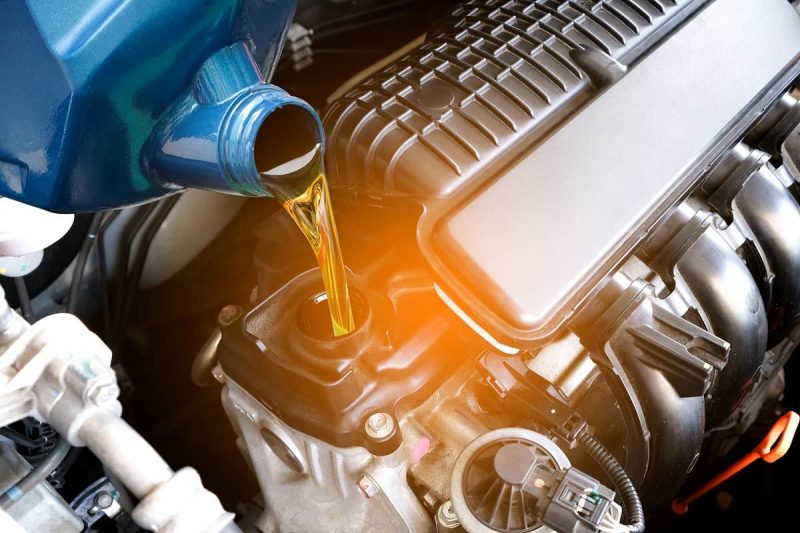
Automotive Engine Oil is an essential fluid for lubricating a car’s internal combustion engine. It combines base oils with additives such as antiwear agents and detergents. These ingredients increase the oil’s viscosity index, which improves its ability to lubricate the car’s engine. It is important to choose the correct type of automotive oil for your car. Read on to learn more about the different types of Automotive Engine.
Also Read: Truck Engine Oil Quality Lubricant
Drivers commonly use conventional oil in older cars, especially those no longer under warranty. It costs less than synthetic oils and suits people who prefer to change their own oil. If you change your oil regularly, you can use conventional oil without affecting your warranty coverage. However, remember that manufacturers design conventional automotive engine oils specifically for gasoline-fueled passenger cars and light trucks. Regardless of the type of automotive engine you have, you should regularly change the oil in order to keep your car’s engine clean.
Also Read: The Role of Additives in Motor Oil Performance
Analysts segment the automotive engine oil market by type and grade. The costs and viscosities of base oils vary across categories. More processed and refined oils cost more. Depending on processing levels and intended applications, manufacturers offer synthetic products at a wide range of prices. In general, full synthetics rank as the most expensive because producers make them from petroleum chemicals and design them to be fully synthetic.
Factors driving the automotive engine oil market
A number of factors are driving the African automotive engine oil market. The growth of automobiles in developing countries is one of the major factors driving the industry. A growing population and urbanization are contributing to the growth of the sector, while infrastructure expansion, rapid urbanization, and aspiration to own a car are propelling demand for Automotive Engine Oil. These factors will continue to drive the market into the future. However, many challenges still remain in the industry, including volatile prices and an increase in competition.
Also Read: Oil Analysis: How can it benefit your Bus fleet operations?
Population Growth and Rising Car Ownership
As Africa’s population grows, experts predict that the demand for automotive engine oil will rise. The fastest-growing region will be the passenger vehicle segment, with the largest share of the market. A growing middle-class population and rapid urbanization will fuel growth in the passenger vehicle market. In the developing Africa, owning a car is a symbol of social status. Consequently, the demand for motor oil will continue to rise.
Influence of Automotive Sales and Economic Growth
Another factor driving the growth of the Automotive Engine Oil is the rising automotive sales and the growing middle class in developed countries are also driving the market for engine oil in this region. This is an indication that the demand for automotive engine oil will continue to grow due to the increasing number of car sales which is a major driver for the growth of this industry.
Also Read: Oil Maintenance and Monitoring of Commercial Bus Fleet
Segmented by vehicle type, passenger cars are the fastest-growing segment, while utility vehicles comprise the second- and third-largest segments. By type, passenger cars comprise the largest portion of the automotive engine oil market. A variety of factors drive these vehicles, including the rising production of passenger cars and the expansion of road networks. It is important to note that the automotive engine oil market has many different types of products and services. The best way to find the right one for your car is to do a little research on the different options and decide which one suits you. Whether you’re looking for a high-mileage oil or a low-mileage oil, it is essential to make a decision before purchasing. The right product will protect your vehicle and reduce problems down the road.

